What is paint correction?
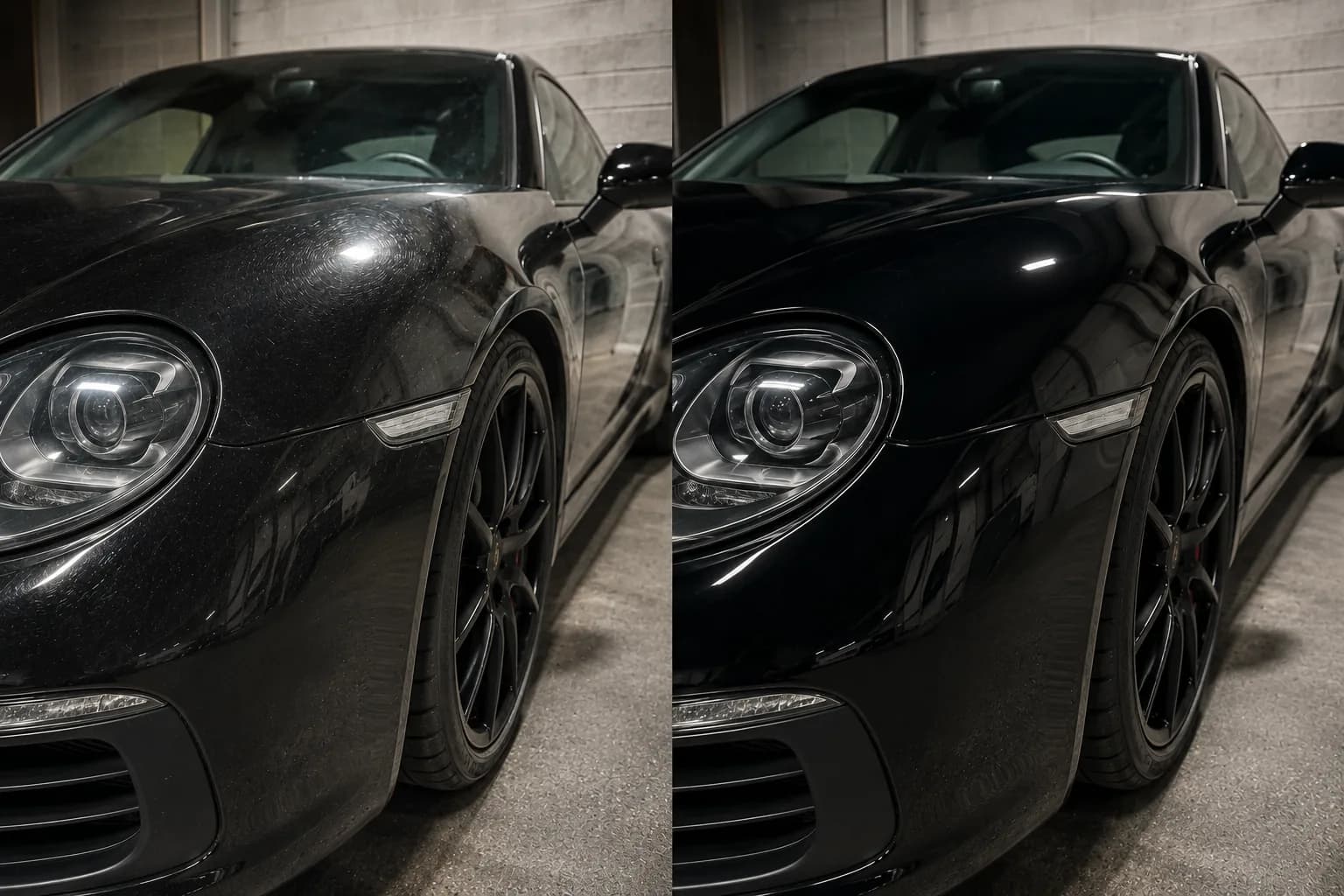
Paint correction is controlled machine polishing that safely reduces visible paint defects such as swirl marks, haze, oxidation, water spots, wash marring, and light scratches to improve gloss and clarity.
What does paint correction fix?
Paint correction is designed to improve swirl marks, haze, oxidation, wash marring, light scratches, water spots, and other clear coat defects that reduce gloss and clarity.
Does paint correction remove scratches?
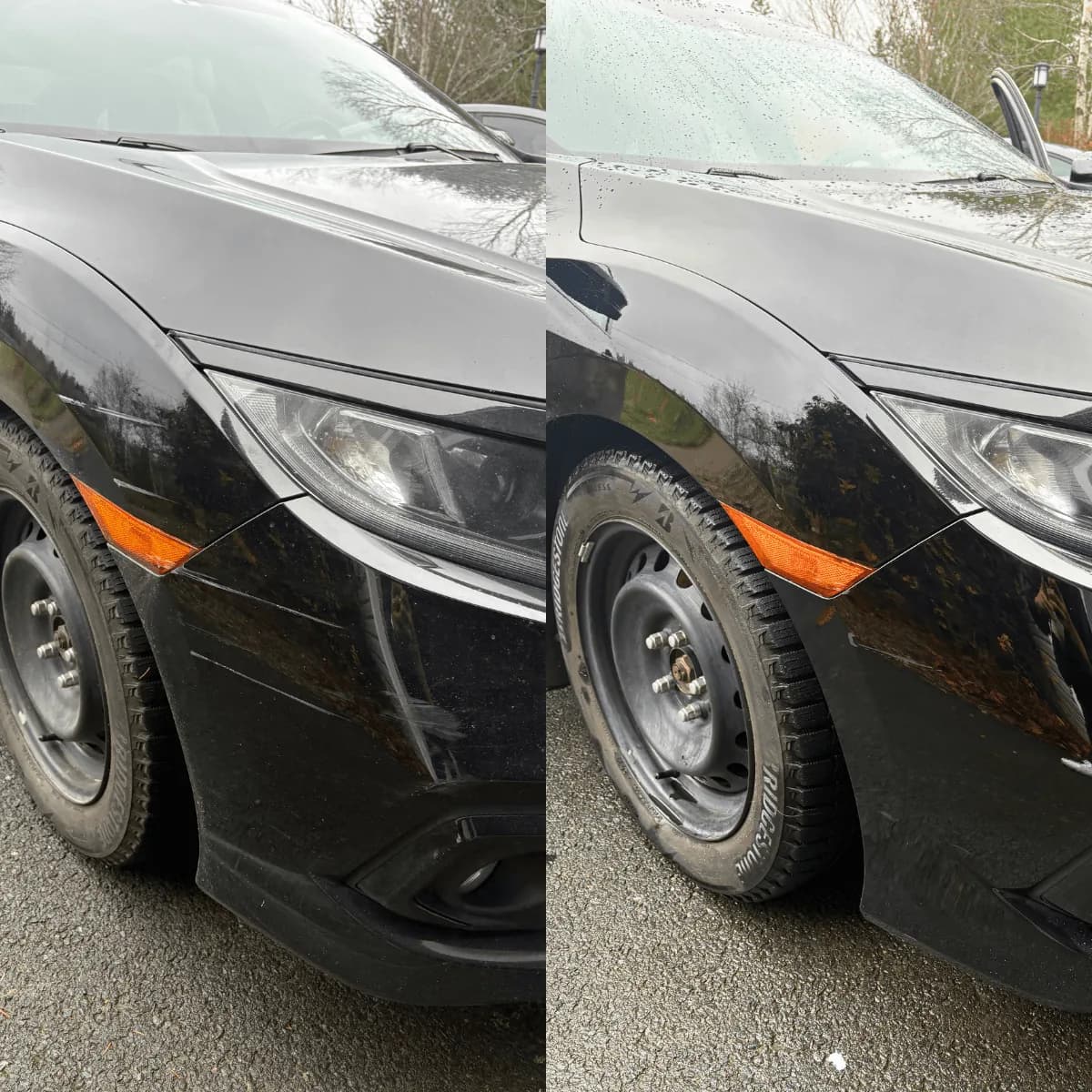
Paint correction can improve many light scratches in the clear coat, but deep scratches that catch a fingernail, cut through clear coat, or would require unsafe material removal may remain.
Does paint correction remove swirl marks?
Yes. Swirl mark reduction is one of the main reasons to book paint correction, especially on dark paint or vehicles with wash marring and haze.
What scratches cannot be fixed with paint correction?
Scratches that are too deep, through the clear coat, into primer, or unsafe to chase may not be removable with correction. Paint correction improves paint; it does not replace body or paint repair.
What is one-step paint correction?
One-step correction usually means a single polishing step to improve gloss and reduce lighter defects. WCAP Detailing publicly offers Paint Correction as the current two-step correction path for stronger results.
What is two-step paint correction?
Two-step correction uses a stronger correction step followed by refinement for gloss and clarity. It is designed to improve visible defects while still respecting clear coat safety.
Can paint correction remove every scratch?
No. Paint correction can dramatically improve gloss and reduce visible defects, but deep scratches that catch a fingernail or go through the clear coat may not fully come out safely.
Can you do paint correction mobile?
Many paint correction jobs can be completed mobile when the workspace is safe, flat, and has enough room around the vehicle. WCAP Detailing brings canopy coverage when needed to help control conditions.
How long does paint correction take?
Paint Correction takes 5 hrs - 6 hrs. Timing depends on vehicle size, paint condition, weather, workspace access, and how much defect reduction is safe for the clear coat.
Should I correct paint before ceramic coating?
Often, yes. Ceramic coating is only as good as the prep underneath, so correction before coating usually improves final gloss and clarity.
What protection is included after paint correction?
GYEON Q² CanCoat Pro EVO ceramic coating is applied after correction and panel preparation. Up to 1 year with proper maintenance. Care guidance is included. A complimentary maintenance visit is not included.
Do you need paint correction on a new car?
Sometimes. New vehicles can still have dealer wash marks, transport contamination, haze, or water spots. Inspection determines whether correction is worth it before protection.